Biochar
What is Biochar
If you have googled “Biochar” you most likely have found the following Wikipedia entry.
“Biochar is charcoal that is produced by pyrolysis of biomass, yet in the absence of oxygen, and is used as a soil ameliorant for both carbon sequestration and soil health benefits. Biochar is a stable solid that is rich in carbon and can endure in soil for thousands of years”
In simpler words, Biochar is form of charcoal that is made by breaking down organic matter, like wood or straw, using heat but without oxygen. The lack of oxygen prevents the organic matter from burning and turning into ash. The scientific name for this process is called Pyrolysis.
And if had googled “Pyrolysis” then you would have found this description.
“Pyrolysis is the thermal decomposition of materials at elevated temperatures in an inert atmosphere. It involves a change of chemical composition. The word is coined from the Greek-derived elements pyro “fire” and lysis “separating”. Pyrolysis is most commonly used in the treatment of organic materials.”
I’m going to do my best to taking the scientific terms and try to explain them in simpler. After all English may not be your first language, and you may not be familiar with certain “Sciency” terms.
What sets Biochar apart from normal charcoal is the addition of extra organic matter prior to Pyrolysis. During pyrolysis, useful chemical compounds from the organic matter attach to the charcoal. This is very useful since a careful selection of the right organic materials can make the customized Biochar specifically tailored to your needs.
Biochar is by no means a new idea. Ancient Amazonians and Australian Aborigines have been using Biochar for millennia. And it is becoming more and more popular as people rediscover it’s great benefits.
The great thing is that we now have the ability to test and discover the secrets of charcoal and Biochar using modern science and technology. We can build on ancient knowledge and improve the effectiveness of traditional knowledge.
Although Biochar can ne used in many different applications like medicine, futuristic materials and food, we are going to focus on Biochar in Agriculture and the Environment.
We want to look at the science behind the wisdom and identify the things that make Biochar such a useful addition to your garden and how it impacts the environment. We don’t want to spoil it for you but we think this re-discovery has the ability to help significantly reduce CO2 emissions as well as heal depleted and poisoned soils and increase the quality and quantity of your harvest.
So what about "The Science"?
What is the big deal? Well, Biochar is not based pseudo-science the applications discussed here are backed up by real scientific studies backed by peer reviewed papers.
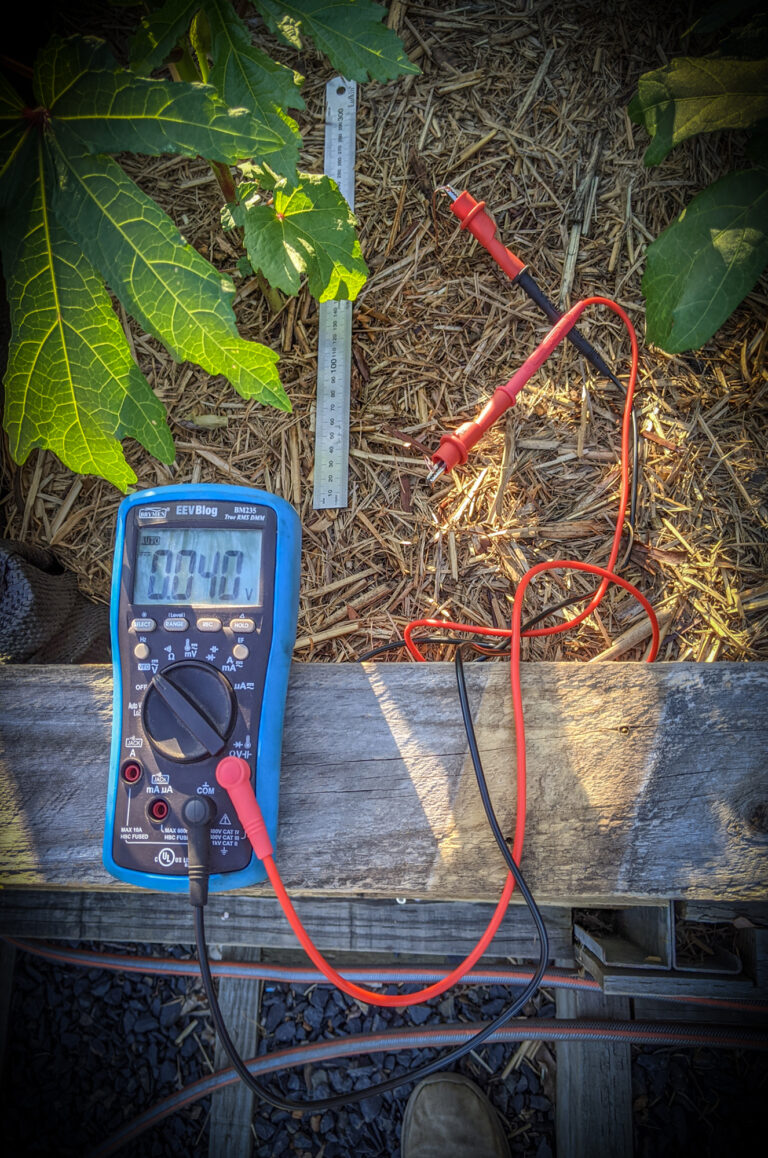
Don’t be fooled, the Biochar scientists that do this research can be mistaken for humble gardeners, don’t let their appearance fool you. Just like their lab coat clad collogues these are seriously brilliant individuals dealing with complex systems and produce solid fact based research. They do their research close to nature where it matters.
Now here are some facts you should be excited about.
Making Biochar is a Carbon Negative process
Biochar locks in moisture
Biochar puts Carbon back in the soil
Biochar lock in nutrients and slowly releases them to the plants
Biochar can be customized to suit the individual soil and plant requirements
Biochar and Charcoal can be used to trap heavy metals in it’s microstructures
Biochar enhances electron potential in the soil
Wood Vinegar is a byproduct of making biochar and it makes a great natural pesticide as well as encourages seed germination
The microstructures of Biochar encourage good bacteria and fungi to grow in the soil
The creation of Biochar can be made from Bio-waste
The ideal temperatures when creating Biochar also break down chemicals in bio-waste such as manure and roadkill.
Standard modern chemicals can be added to Biochar, it works with modern as well as traditional methods
Lets explore these in more detail, if any of these topics mentioned above are more suited to your interest you can click on any of them to take you to that topic directly.
Making Biochar is a carbon negative process.
Sorry guys, this is as far as I got, we are busy working on the products. I will post more as things become a bit less crazy. Stand by 🙂
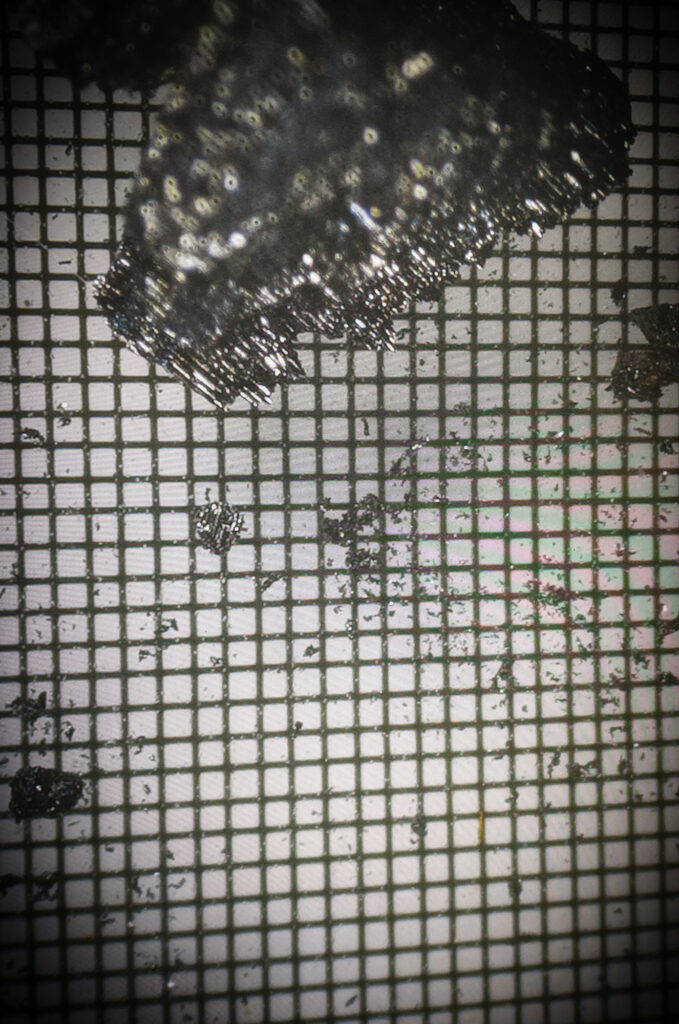
Yep , nothing here either, of by the way the picture above is of some biochar I made on a 100 micron grid.
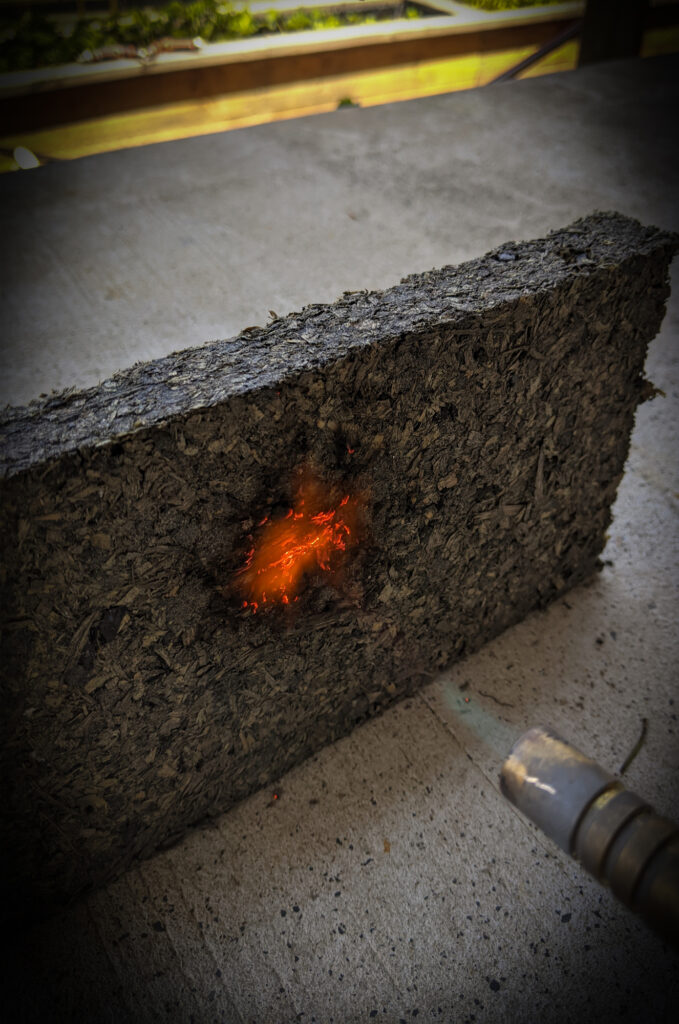
Another disappointment, I will write this up later. The experiment you see here is using biochar and some other chemicals to make a material out of organic waste like woodchips into a flame retardant material. Yeah, it kind of works and kind of doesn’t.